maanantai 23. marraskuuta 2026

Understanding Supplement Interactions With Medications


Quiet Nerves Supplement

Many individuals turn to dietary supplements to enhance health, manage stress, or improve overall well-being. However, combining supplements with prescribed medications can lead to unforeseen complications. Navigating these interactions requires careful attention to avoid adverse effects and ensure therapeutic effectiveness.

Understanding supplement interactions with medications is essential for anyone managing multiple health products simultaneously. This article explores common challenges encountered when supplements and drugs are taken together, identifies root causes of interactions, and provides practical solutions for safe usage. Through a troubleshooting and problem-solving approach, readers will gain tools to prevent mistakes and optimize their health routines.


Identifying Challenges in Supplement and Medication Combinations

Common Interaction Types

Drug-supplement interactions often fall into categories such as additive effects, antagonistic effects, or altered metabolism. For example, some supplements can increase the blood-thinning effect of medications like warfarin, raising bleeding risk. Others may reduce drug absorption or accelerate clearance, diminishing medication efficacy.

Recognizing these interaction types helps patients and healthcare providers anticipate potential problems. Since supplements are not regulated as strictly as medications, variability in ingredient concentration and purity further complicates interaction risks. Identifying these challenges early is vital to maintaining safe treatment plans.


Root Causes Behind Interactions

Interactions often arise from the way supplements influence drug-metabolizing enzymes or transport proteins in the body. Certain herbal extracts induce or inhibit cytochrome P450 enzymes, which can either speed up or slow down drug breakdown. This enzymatic modulation alters blood levels of medications, potentially causing toxicity or therapeutic failure.

Additionally, supplements with active compounds affecting blood pressure, hormone levels, or blood sugar can interfere with medications targeting the same pathways. Understanding these underlying mechanisms clarifies why supplement and drug combinations need careful evaluation before use.


Common Mistakes Leading to Risk

One frequent error is assuming that natural supplements are inherently safe and free of side effects. This misconception causes people to self-medicate without informing their doctors. Another mistake is taking multiple supplements simultaneously without considering cumulative effects or ingredient overlap.

Failing to consult healthcare professionals when starting new supplements or changing medication regimens increases the risk of adverse interactions. Awareness of these pitfalls supports more informed decision-making and safer health management.


Step-by-Step Solutions for Safe Supplement Usage

Consult Healthcare Providers Regularly

Before introducing any supplement, discussing it with a pharmacist or physician is crucial. Healthcare providers can review medication lists and assess interaction potential based on current evidence. They might recommend lab monitoring or alternative therapies to mitigate risks.

Open communication ensures that both prescribed drugs and supplements work synergistically rather than interfere. Keeping a comprehensive list of all substances consumed—prescription, over-the-counter, and supplements—facilitates this process.


Research Ingredients Thoroughly

Patients should seek reliable information on supplement components and their pharmacological effects. Resources that provide evidence-based wellness guidance help clarify safety profiles and interaction possibilities. This knowledge empowers individuals to avoid products with questionable or harmful additives.

For instance, supplements marketed for nervous system support should be scrutinized for ingredients that might affect medication metabolism or central nervous system activity. One popular example is QuietNerves, a supplement designed to promote relaxation, which requires evaluation when combined with other CNS agents. Detailed ingredient research aids in making safer choices. Whether you decide on to find out additional information about Quiet Nerves Official Store, you must check it out here at https://quietnerveswebsite.com/ website.


Monitor Symptoms and Side Effects

After starting a supplement, monitoring for new or worsening symptoms is essential. Changes such as dizziness, gastrointestinal upset, or altered blood pressure may indicate an interaction problem. Prompt reporting to healthcare providers allows for timely adjustments.

Maintaining a symptom diary can help track patterns and facilitate discussions during medical appointments. This proactive approach minimizes the chance of serious adverse events and supports ongoing safety.


Recognizing Signs of Harmful Interactions

Physical and Cognitive Indicators

Adverse supplement-medication interactions can manifest as fatigue, confusion, allergic reactions, or abnormal lab values. For example, excessive bleeding or bruising might suggest a potentiated effect of blood thinners combined with certain herbal supplements. Cognitive impairments could result from sedative interactions.

Identifying these signs early is key to preventing complications. Patients should remain vigilant and report any unusual changes immediately.


Laboratory and Clinical Monitoring

Routine blood tests can detect interaction effects such as altered liver enzymes or electrolyte imbalances. Healthcare providers may order specific tests to evaluate coagulation status or drug serum levels when interactions are suspected. These objective measures guide treatment modifications.

Regular clinical assessments ensure that both medication and supplement regimens remain safe and effective over time.


Adjusting Dosages and Timing

In some cases, simply staggering supplement and medication intake can reduce interaction risk. For example, taking supplements several hours apart from medications may minimize absorption interference. Dose adjustments may also be necessary under medical supervision.

Tailoring administration schedules according to individual pharmacokinetics enhances safety and therapeutic outcomes.

Quiet Nerves Supplement

Preventing Common Pitfalls Through Education and Awareness

Promoting Informed Decision-Making

Educational initiatives aimed at patients and providers improve understanding of supplement interactions. Clear guidance about potential risks discourages unsupervised supplement use. Awareness campaigns help highlight the importance of full disclosure during medical visits.

Encouraging active participation in health decisions reduces preventable adverse events linked to supplement misuse.


Encouraging Use of Trusted Products

Not all supplements are created equal; choosing products from reputable sources ensures better quality control. Avoiding supplements with unverified claims or inconsistent labeling minimizes exposure to harmful ingredients. Consumers should look for certifications and third-party testing where available.

Reliable products contribute to safer integration with prescribed medications and enhance confidence in supplement regimens.


Integrating Natural Relaxation and Stress Management

Addressing underlying health issues such as stress through evidence based wellness techniques can reduce reliance on multiple supplements. Practices promoting the relaxation response support nervous system health without risking drug interactions. According to research on chronic stress effects, managing stress effectively can improve overall treatment success.

Combining informed supplement use with natural relaxation methods promotes balanced emotional wellness and reduces the complexity of medication interactions.


Maintaining Safe Practices for Long-Term Health Benefits

Regular Review and Adaptation

Health needs and medication regimens evolve over time, necessitating periodic reassessment of supplement use. Scheduling routine consultations helps identify new interaction risks and adjust plans accordingly. This dynamic management prevents accumulation of unintended effects.

Staying informed about emerging research on supplement safety guidelines supports ongoing vigilance.


Building a Collaborative Care Team

Engaging pharmacists, nutritionists, and physicians in coordinated care fosters comprehensive oversight. Each professional contributes unique expertise to evaluate drug-supplement combinations. Collaborative communication enhances patient safety and optimizes therapeutic outcomes.

Patients benefit from shared decision-making and consistent messaging across their healthcare providers.


Empowering Personal Responsibility

Ultimately, individuals must take ownership of their health choices by maintaining accurate records and asking questions. Developing healthy coping habits and staying attentive to bodily responses encourages proactive management. This mindset reduces the likelihood of harmful supplement interactions with medications.

By embracing a troubleshooting approach, patients can confidently navigate complex health regimens and protect their well-being.


Securing Lasting Outcomes Through Vigilance and Knowledge

Understanding supplement interactions with medications is a critical step toward preventing adverse effects and ensuring treatment success. By identifying challenges, analyzing root causes, and applying step-by-step solutions, individuals can avoid common mistakes and manage their health safely. Continuous education, open communication with healthcare providers, and mindful product selection form the foundation of responsible supplement use.

Maintaining awareness of physical signs, utilizing monitoring tools, and integrating healthy lifestyle practices further reinforce long-term safety. Ultimately, the commitment to thorough evaluation and collaboration empowers patients to maximize benefits while minimizing risks associated with combining supplements and medications.


lauantai 14. marraskuuta 2026

Common Problems to Look for When Buying Used Electronics


Purchasing used electronics can offer excellent value, but it requires careful attention to avoid costly mistakes. The market is full of devices with hidden issues that can severely impact performance or longevity. This guide explores the common problems to look for when buying used electronics, equipping you with the knowledge to make smarter choices and safeguard your investment.

Whether you are a beginner just starting to explore secondhand gadgets or an expert refining your inspection skills, this comprehensive masterclass provides step-by-step insights into identifying fundamental and advanced warning signs. From physical defects to software anomalies, understanding these pitfalls will empower you to assess any used electronic confidently.


Spotting Physical and Cosmetic Flaws in Used Devices

Evaluating External Damage and Wear

One of the first indicators of a used electronic’s condition is its external appearance. Look closely for cracks, dents, or unusual scratches on the casing, as these can hint at past mishandling or drops. While minor wear is expected, extensive physical damage might affect internal components or waterproofing features.

Checking the screen for dead pixels or discoloration is crucial, especially for devices like smartphones and laptops. Pressure marks or uneven brightness can reduce usability and indicate prior screen damage that may worsen over time. Always test the display under different lighting to spot subtle issues.


Assessing Port and Button Functionality

Ports such as USB, charging jacks, and headphone sockets must be inspected for damage or looseness. Frequent plugging and unplugging can cause wear, leading to intermittent connections or complete failure. Buttons on the device should respond with a firm click, without sticking or requiring excess force.

Loose or nonfunctional ports and buttons can be expensive to repair or impossible in some models, so carefully testing these features is essential. In some cases, replacement parts may be scarce, making the device difficult to maintain long term.


Testing Battery Health and Charging Efficiency

The battery condition is a critical aspect often overlooked in used electronics. Batteries degrade over time and hold less charge, reducing device uptime significantly. Ask sellers about battery replacement history or run diagnostics to estimate the current battery capacity if possible.

Charging the device fully and monitoring the speed and stability during charging can reveal underlying electrical issues. Slow or unstable charging may indicate worn cables, damaged connectors, or battery faults that impact the device’s reliability.

For those interested in motorbikes for sale Ireland, it’s equally important to examine electronic components carefully, as similar battery and port issues can affect vehicle electronics and controls.


Identifying Software and Performance Issues in Secondhand Electronics

Checking for Operating System Stability

Software problems may not be visible but can severely impact user experience. Verify that the operating system boots correctly and runs without crashing or freezing. Devices with corrupted or outdated firmware might require complex reinstallation or updates that not all users can perform.

Test multiple applications and system functions to detect lagging or unresponsive behavior. Performance degradation can arise from malware, improper resets, or insufficient memory caused by prior misuse or neglect.


Verifying Device Security and Reset Status

Ensure the device has been properly reset to factory settings before purchasing. Devices still linked to previous owners’ accounts may have activation locks that prevent full access. This can be a significant barrier, especially in smartphones and tablets, rendering the device unusable without original credentials.

Always confirm that security features such as PINs, passwords, or biometric locks are removed. Sellers who cannot provide proof of ownership or reset the device properly should be approached with caution.


Assessing Firmware Authenticity and Updates

Counterfeit or tampered firmware poses a hidden risk in used electronics. Devices running unofficial software versions may behave unpredictably or lack essential security patches. In some cases, unauthorized modifications can void warranties or violate terms of service.

Ask about recent software updates and verify authenticity using official manufacturer tools when possible. Staying informed on firmware status reduces the chance of encountering fraudulent or compromised devices.


Detecting Hardware Malfunctions and Internal Defects

Listening for Unusual Noises and Overheating

Internal hardware issues often manifest as unexpected sounds or excessive heat. Fans that spin loudly or irregularly in laptops and desktops may signal dust buildup or failing components. Overheating can cause sudden shutdowns and long-term damage to circuits.

Run the device under typical load conditions to observe temperature behavior and listen carefully for grinding or clicking sounds from mechanical parts. These signs warrant further inspection or negotiation before purchase.

Testing Connectivity and Sensor Functions

Wireless connectivity such as Wi-Fi, Bluetooth, and GPS should be fully operational in modern devices. Weak signals or frequent drops suggest antenna damage or faulty modules. Sensors like accelerometers, gyroscopes, and proximity detectors also require testing, especially in smartphones and wearable technology.

Failure in these components limits the device’s functionality and user experience. Confirming sensor accuracy through dedicated apps or system settings can reveal hidden defects that sellers may overlook or hide.


Examining Storage Integrity and Memory Performance

Storage devices in used electronics can degrade over time, leading to data corruption and slow speeds. Solid-state drives (SSD) and hard disk drives (HDD) should be scanned for bad sectors and tested for read/write speeds. Insufficient memory can also cause system slowdowns and application crashes.

Evaluating storage health ensures the device supports your usage needs and avoids unexpected failures soon after purchase. Tools for benchmarking and diagnostics are available to assist buyers in this process.


Legal and Safety Considerations When Purchasing Used Electronics

Confirming Authenticity and Seller Legitimacy

Verifying the identity of the seller and the authenticity of the product prevents falling victim to scams or counterfeit goods. Request original receipts, warranty documents, and serial numbers to cross-check with manufacturers. A legitimate seller is typically transparent about the device’s history and condition.

Purchasing through reputable platforms or marketplaces with clear policies enhances consumer protection. Being vigilant about seller reputation reduces the risks associated with peer to peer transactions.


Understanding Warranty and Return Policies

Many used electronics come without manufacturer warranties, increasing the buyer’s risk. Check if any third-party warranties or return options are available before finalizing the purchase. Knowing your rights under consumer protection laws can provide recourse in case the device is defective or misrepresented.

Awareness of policies related to secondhand purchases helps negotiate better terms and avoid losses. For more detailed guidance on fraudulent listing prevention, referring to official consumer protection resources is advisable.


Avoiding Hazardous or Non-Compliant Devices

Used electronics must comply with safety standards to prevent hazards like electrical shorts or overheating. Avoid devices that show signs of unauthorized repairs or modifications, as these can pose fire risks or damage other connected equipment. Batteries that swell or leak should be rejected immediately.

Ensuring compliance with safety regulations protects not only the device but also personal well-being. When in doubt, consulting experts or service centers can provide clarity on a device’s safety status.


Common Problems to Look for When Buying Used Electronics: Continuous Skill Development

Mastering the evaluation of used electronics requires ongoing learning and practical experience. This evolving skillset begins with recognizing physical and software issues and advances toward detecting subtle hardware malfunctions and legal red flags. Staying updated on new technologies and market trends improves your ability to identify potential problems early.

Engaging with expert reviews, forums, and consumer protection updates sharpens your judgment and confidence in used electronics purchases. As you progress, you will develop a nuanced understanding that balances risk with value, ensuring each acquisition meets your needs sustainably.

By systematically applying these principles and expanding your inspection techniques, you can transform used electronics buying from a gamble into a strategic advantage. This approach not only saves money but also contributes to electronic waste reduction by extending the lifecycle of quality devices.

keskiviikko 28. lokakuuta 2026

Fotovoltaické systémy s bateriovým úložištěm vs. bez baterie: Praktické srovnání


fotovoltaika

Volba mezi fotovoltaickými systémy s bateriovým úložištěm a systémy bez baterie představuje klíčové rozhodnutí pro každého, kdo plánuje investovat do solární energie. Toto praktické srovnání se zaměřuje na konkrétní aspekty, které ovlivní efektivitu, náklady a celkový přínos jednotlivých řešení. Cílem je poskytnout jasný akční plán, který pomůže zájemcům o solární energii učinit informované rozhodnutí s důrazem na reálné provozní podmínky.

Fotovoltaické systémy s bateriovým úložištěm versus bez baterie se liší nejen v technickém provedení, ale také v dopadu na energetickou soběstačnost a finanční návratnost. Tento článek představí konkrétní kroky, které je třeba zvážit při plánování instalace a provozu těchto systémů. Následně nabídne praktické rady, jak maximalizovat využití dostupné energie v závislosti na zvoleném typu řešení.


Klíčové rozdíly mezi systémy s baterií a bez baterie

Funkčnost a ukládání energie

Fotovoltaické systémy bez baterie přímo využívají vyrobenou elektřinu, kterou okamžitě spotřebovávají domácnosti nebo ji odesílají do elektrické sítě. Naopak systémy s bateriovým úložištěm umožňují akumulaci přebytečné energie, která se využije v době, kdy slunce nesvítí. Tento rozdíl zásadně ovlivňuje nezávislost na dodávkách z veřejné sítě a flexibilitu spotřeby.

U systémů s baterií je třeba zvážit kapacitu úložiště a jeho životnost, což se promítá do celkových investičních nákladů. Výhodou je však možnost využít solární energii i v noci nebo během výpadků elektřiny, což zvyšuje spolehlivost a komfort uživatelů.


Ekonomické aspekty a návratnost investice

Investice do fotovoltaických systémů s bateriovým úložištěm bývá vyšší než u systémů bez baterie, a to zejména kvůli ceně akumulátorů a jejich údržbě. Návratnost této investice závisí na cenách elektřiny, dostupnosti dotací a způsobu využití uložené energie. U systémů bez baterie je primární výhodou nižší počáteční náklad a jednodušší instalace.

Pro správné rozhodnutí je důležité vyhodnotit nejen pořizovací cenu, ale i dlouhodobé provozní náklady a potenciál úspor. Také je vhodné sledovat aktuální trendy a inovace v oblasti fotovoltaiky, které mohou ovlivnit budoucí efektivitu a cenu bateriových úložišť. Přejděte na tento web dostat se do kontaktu s nejvíce ideální maloobchodní fotovoltaické prodejce v Evropě.


Údržba a provozní nároky

Systémy bez baterie vyžadují méně údržby, protože neobsahují složité akumulátory, jejichž životnost je limitovaná a vyžaduje postupnou výměnu. Naopak bateriová úložiště potřebují pravidelnou kontrolu stavu baterií a jejich kapacity, což zvyšuje nároky na servis a provozní náklady.

V praxi je důležité zohlednit dostupnost odborných servisních služeb a kvalitu instalace. Správně navržený a instalovaný systém dokáže minimalizovat poruchovost a prodloužit životnost všech komponent, včetně solárních panelů.


Jak vybrat správný typ fotovoltaického systému pro vaše potřeby

Posouzení spotřeby a energetických návyků

Prvním krokem je detailní analýza vaší denní a roční spotřeby elektřiny. Pokud je spotřeba rozložena rovnoměrně během dne a nelze ji snadno posunout, může být systém bez baterie vhodnější. Naopak domácnosti s vyšší spotřebou večer či v noci ocení výhody bateriového úložiště.

Důležitá je také schopnost flexibilně měnit spotřebu a využívat přebytky energie přímo v době výroby. Tento přístup může výrazně zvýšit efektivitu i u systémů bez baterie.


Faktory ovlivňující volbu bateriového úložiště

U bateriových systémů je klíčové zohlednit kapacitu akumulace, její životnost a rychlost nabíjení. Výběr správného typu baterie (například lithium-iontové versus olověné) ovlivňuje nejen cenu, ale i ekologický dopad a bezpečnost provozu. V praxi je třeba zvážit i možnosti rozšíření kapacity v budoucnu.

Dalším faktorem jsou podmínky instalace, které musí splňovat požadavky na teplotu a ventilaci baterií. Při plánování je proto vhodné konzultovat s odborníky na fotovoltaiku dodavatele, kteří pomohou přizpůsobit systém konkrétním podmínkám.


Praktické aspekty instalace a legislativní rámec

Instalace fotovoltaických systémů s bateriovým úložištěm většinou vyžaduje složitější technické řešení a často také splnění přísnějších bezpečnostních norem. Pro systémy bez baterie je instalace jednodušší a rychlejší, což může být výhodou pro menší investory. Oba typy systémů však podléhají povolením a připojení k distribuční síti.

Je nezbytné zajistit soulad s aktuálními legislativními požadavky, které se mohou lišit regionálně. Pro hladký průběh je vhodné spolupracovat s certifikovanými instalatéry, kteří mají přehled o platných normách a mohou zajistit potřebnou dokumentaci.


Optimalizace provozu a údržby fotovoltaických systémů

Monitorování výkonu a efektivity

Pravidelné sledování výkonu je zásadní pro včasné odhalení případných poruch a optimalizaci výroby energie. Moderní systémy umožňují online monitoring, který poskytuje přehled o aktuálním stavu a historii výroby elektrické energie. Tento nástroj pomáhá zvýšit spolehlivost a dlouhodobou efektivitu. For those exploring practical options, utilizing trusted fotovoltaika specialists provides reliable support.

U systémů s bateriovým úložištěm je navíc důležité sledovat stav nabití a zdraví baterií, aby se předešlo předčasnému opotřebení a nákladným opravám.


Pravidelná údržba a servisní zásahy

Údržba fotovoltaických panelů zahrnuje především čištění povrchu a kontrolu upevnění, což zajišťuje maximální výkon. Bateriová úložiště vyžadují také kontrolu elektrických spojů a správnou funkci řídicích systémů. Servisní zásahy by měly být plánovány pravidelně, aby se minimalizovalo riziko výpadků.

Včasná diagnostika a profesionální servis prodlužují životnost systému a snižují celkové náklady na provoz.

fotovoltaika

Vliv klimatických podmínek na provoz

Provoz fotovoltaických systémů je ovlivněn místními klimatickými podmínkami, jako jsou teplota, sluneční záření a počasí. Systémy s bateriemi mohou v některých regionech lépe vyrovnávat výkyvy výroby díky akumulaci energie. Bez baterií je provoz více závislý na okamžitém slunečním svitu a dostupnosti sítě.

Vyhodnocení těchto faktorů pomůže navrhnout optimální konfiguraci a zajistit maximální energetickou soběstačnost.


Naplánujte a realizujte svůj solární projekt s jistotou

Fotovoltaické systémy s bateriovým úložištěm vs. bez baterie: Praktické srovnání ukazuje, že správná volba závisí na specifických potřebách, finančních možnostech a životním stylu uživatele. Přesné posouzení spotřeby a technických parametrů je nezbytné pro dosažení maximální efektivity a úspor. Návrh i instalace by měly být svěřeny kvalifikovaným odborníkům, kteří zajistí optimální fungování systému.

Investice do solární energie představuje krok k energetické soběstačnosti a ekologicky šetrnému provozu. Díky přehlednému akčnímu plánu můžete své rozhodnutí realizovat s jasnou vizí a praktickými kroky, které zajistí dlouhodobý přínos. Nezapomeňte využít dostupné informace o technologiích a inovacích v oblasti solárních panelů, které vám pomohou udržet váš systém na špičkové úrovni.


Raylyst Solar s.r.o.

Prague Gate, 7. patro

Türkova 2319/5b, 149 00

Praha, Česká republika

Map: https://maps.app.goo.gl/PeykNPnjESkW6ipf8

maanantai 19. lokakuuta 2026

What Homeowners Should Know About Tile Roof Battens and Fixings


keyword

Tile roofs are a popular choice for homeowners seeking durability and aesthetic appeal. However, the performance and lifespan of these roofs depend heavily on the underlying components, particularly tile roof battens and fixings. What homeowners should know about tile roof battens and fixings is essential to making informed decisions about installation, maintenance, and repairs.

Choosing the right battens and fixings affects not only the roof’s structural integrity but also its ability to withstand adverse weather conditions. This article provides a strategic overview and decision guide to help homeowners appreciate the critical role these elements play and how to evaluate them effectively.


Key Considerations When Selecting Tile Roof Battens and Fixings

Material Quality and Durability

The quality of battens and fixings directly influences the roof’s longevity and resistance to environmental stresses. Typically, battens are made from timber or metal, each with distinct advantages and vulnerabilities. Timber battens offer flexibility and ease of installation, but they require treatment to prevent rot and insect damage, while metal battens provide enhanced durability but may be prone to corrosion if not properly coated.

Fixings, including nails and screws, must be corrosion-resistant to maintain secure attachment over time. Stainless steel or galvanized fixings are common choices, ensuring they withstand moisture and temperature fluctuations. Homeowners should assess these material characteristics to avoid premature failure and costly repairs.

Compatibility with Tile Roofing Systems

Different tile roofing styles and materials demand specific batten spacing and fixing types. Concrete and clay tiles, for instance, have varying weights and shapes that influence the batten structure. Selecting battens and fixings that align with the tile manufacturer's specifications ensures proper load distribution and attachment security.

Professional tile roof installers in London often follow strict guidelines to match battens and fixings with the roofing system, optimizing performance. Consulting with experts helps homeowners avoid mismatched components that could compromise the roof’s integrity.

Installation Best Practices

Proper installation of battens and fixings is as critical as material selection. Battens must be securely fixed to the roof rafters at precise intervals to support tile placement and allow adequate ventilation. Fixings need to be driven in correctly to avoid splitting timber battens or loosening over time.

Homeowners should verify that installers adhere to industry standards and local building codes. This attention to detail prevents common issues like tile slippage, water ingress, or wind uplift damage.


How Tile Roof Battens Influence Overall Roof Performance

Structural Support and Load Distribution

Tile roof battens serve as the framework that supports the weight of individual tiles. Their spacing and fastening impact how the load is distributed across the roof structure. Improperly spaced battens can lead to concentrated stress points, causing tiles to crack or dislodge.

Homeowners should recognize that battens are more than simple attachment points; they form an integral part of the roof’s structural system. This understanding guides decisions about repairs and upgrades to enhance roof resilience.

Ventilation and Moisture Management

Batten installation plays a strategic role in allowing airflow beneath the tiles, which is crucial for moisture control. Adequate ventilation prevents condensation buildup, reducing the risk of timber decay and mold growth. This aspect is vital in climates with significant temperature variations or high humidity.

Incorporating proper batten design supports roof moisture protection, extending the roof’s lifespan and maintaining indoor air quality. Homeowners should inquire about ventilation provisions in roofing plans to ensure effective moisture management.

Compatibility with Roofing Safety Regulations

Compliance with roofing safety regulations is mandatory for any roofing project, including the installation of battens and fixings. These regulations dictate standards for structural integrity, fire resistance, and wind uplift performance. Adhering to such rules safeguards homeowners against potential liabilities and ensures roof reliability.

Awareness of roofing safety regulations helps homeowners evaluate contractor proposals critically and insist on certified workmanship. For more detailed guidelines, the government’s official resources provide comprehensive information on roofing safety regulations.


Maintenance and Inspection of Tile Roof Battens and Fixings

Identifying Signs of Wear and Damage

Routine inspection of battens and fixings is essential to detect early signs of deterioration. Common indicators include cracked or missing tiles, loose fixings, and signs of timber decay. Timely identification allows homeowners to address minor issues before they escalate into significant structural problems.

Homeowners should schedule inspections after severe weather events and as part of regular roof maintenance to preserve their investment.

Repair and Replacement Strategies

When damage is detected, selecting appropriate repair methods is critical. Replacing corroded fixings with corrosion-resistant alternatives and renewing damaged battens with treated timber or metal options ensures long-term performance. Repairs must be undertaken by professionals familiar with tile roofing systems to maintain compliance with installation standards.

Engaging tile roof repair in London specialists can provide expert assessment and repair services tailored to the specific roofing system involved.

keyword

Preventive Measures for Longevity

Preventive care includes treating battens against pests and moisture, selecting fixings with appropriate corrosion protection, and maintaining roof ventilation. These actions reduce deterioration rates and enhance the roof’s durability. Homeowners who invest in preventive maintenance often experience lower lifetime costs and fewer emergency repairs.

Integrating these measures into routine roof care plans preserves the integrity of tiles and their supporting elements.


Special Considerations for Historic and Complex Roof Structures

Preserving Traditional Roofing Materials and Techniques

Historic homes often feature unique tile designs and batten arrangements that require sensitive handling. Preservation of traditional roofing materials demands compatible fixings and installation methods to maintain aesthetic and structural authenticity. Modern interventions must balance durability with conservation principles.

Specialist contractors with expertise in historic roof conservation can advise homeowners on appropriate batten and fixing choices that respect heritage values.

Challenges in Slate and Stone Tile Roofs

Slate and stone tile roofs present specific challenges due to their weight and fragility. Battens must be robust and properly spaced to support these materials without causing damage. Fixings require precision to avoid fracturing the tiles while ensuring secure attachment.

Homeowners undertaking slate roof restoration in London should consult experts skilled in these materials to ensure proper batten and fixing application. Such expertise helps avoid costly mistakes and preserves the roof’s functionality and appearance.

Integration with Modern Roofing Technologies

Combining traditional roofing components with modern technologies, such as improved underlay systems and advanced ventilation solutions, can enhance roof performance. However, compatibility between old and new elements must be carefully managed to prevent structural conflicts.

Strategic planning enables homeowners to benefit from technological advances while maintaining the integrity of their tile roofs.


What Homeowners Should Know About Tile Roof Battens and Fixings to Make Informed Decisions

Evaluating Installer Expertise and Credentials

Choosing qualified tile roof installers in London is crucial to ensure battens and fixings are installed correctly. Installer expertise reduces risks of premature failure and costly repairs. Homeowners should verify credentials, references, and adherence to manufacturer specifications before engaging contractors.

Expert installers also provide valuable guidance on materials and maintenance, empowering homeowners to protect their roofing investment effectively.

Balancing Cost and Quality Considerations

While initial costs influence decision-making, prioritizing quality materials and installation yields better long-term value. Inferior battens or fixings may reduce upfront expenses but lead to frequent repairs and shortened roof lifespan. Evaluating lifecycle costs helps homeowners make financially prudent choices.

Investing in high-quality components aligned with roofing safety regulations safeguards structural integrity and minimizes future expenditures.

Planning for Future Maintenance and Upgrades

Awareness of maintenance requirements and potential upgrades informs strategic planning for tile roof upkeep. Selecting battens and fixings compatible with anticipated repairs or enhancements simplifies future work. This foresight reduces disruption and cost over the roof’s service life.

Homeowners who integrate maintenance considerations into their roofing decisions achieve sustained performance and peace of mind.


A&A Roofing Solutions

Address: 17 Honey Lane, Waltham Abbey, United Kingdom

Phone No.: +44 800 048 5580

Map Location: https://maps.app.goo.gl/o1Ja2ikKhnfLQY5f8

lauantai 29. elokuuta 2026

Czy urządzenia ubieralne mogą motywować do regularnego ruchu


Współczesne społeczeństwo stoi przed wyzwaniem utrzymania aktywności fizycznej na co dzień. W tym kontekście pojawia się pytanie: czy urządzenia ubieralne mogą motywować do regularnego ruchu i rzeczywiście wpływać na poprawę zdrowia użytkowników? To zagadnienie zyskuje na znaczeniu, gdyż technologia coraz bardziej wkracza w sferę codziennego życia, oferując nowe narzędzia do monitorowania i zwiększania aktywności.


Urządzenia ubieralne, takie jak smartwatche czy opaski fitness, nie tylko rejestrują parametry zdrowotne, ale także mogą pełnić funkcję motywacyjną. Warto przyjrzeć się strategicznym aspektom ich wpływu na zachowania użytkowników oraz ocenić, w jaki sposób można wykorzystać te technologie do skutecznego promowania regularnego ruchu.


Strategiczne znaczenie urządzeń ubieralnych w motywowaniu do aktywności


Nowa era personalizacji zdrowia


Urządzenia ubieralne oferują unikalną możliwość personalizacji podejścia do aktywności fizycznej. Dzięki indywidualnym danym użytkownika, takim jak ilość kroków, tętno czy ilość spalonych kalorii, można dostosować cele i rekomendacje. Takie podejście zwiększa zaangażowanie, gdyż użytkownik otrzymuje konkretne informacje na temat swojego postępu (link).


Personalizacja sprzyja utrzymaniu motywacji, ponieważ dostarcza realnych dowodów na korzyści płynące z ruchu. W ten sposób urządzenia ubieralne stają się nie tylko narzędziem pomiaru, ale też partnerem w codziennej aktywności.


Integracja z ekosystemem zdrowia cyfrowego


Coraz częściej urządzenia ubieralne łączą się z aplikacjami i platformami zdrowotnymi, tworząc systemy wspierające zdrowy styl życia. Użytkownicy mogą nie tylko monitorować swoje wyniki, ale także korzystać z porad, wyzwań czy społeczności motywujących do regularnego ruchu. Ta integracja zwiększa efektywność urządzeń poprzez kompleksowe podejście do zdrowia.


Warto zauważyć, że takie rozwiązania sprzyjają budowaniu nawyków poprzez systematyczne przypomnienia i nagrody, co ma kluczowe znaczenie dla długoterminowej motywacji. Dla osób szukających wsparcia w utrzymaniu aktywności, tego typu ekosystemy stanowią strategiczną wartość.


Ocena efektywności na podstawie danych i badań


Analiza skuteczności urządzeń ubieralnych opiera się na licznych badaniach, które wskazują na ich rolę w zwiększaniu poziomu aktywności fizycznej. Urządzenia te dostarczają tzw. dane biometryczne, które pozwalają użytkownikom lepiej rozumieć swoje ciało i kontrolować postępy.


Wyniki badań sugerują, że systematyczne korzystanie z takich technologii może przełożyć się na poprawę kondycji i zdrowia sercowo-naczyniowego. Jednak skuteczność zależy od zaangażowania użytkownika oraz odpowiedniego wykorzystania otrzymanych danych.


Kluczowe kryteria wyboru urządzenia ubieralnego wspierającego aktywność


Funkcjonalność i zakres pomiarów


Podstawowym kryterium jest zakres dostępnych funkcji, które powinny odpowiadać indywidualnym potrzebom użytkownika. Urządzenia oferujące pomiar tętna, monitorowanie snu czy analizę regeneracji dają pełniejszy obraz stanu zdrowia. Takie dane pozwalają na lepsze planowanie aktywności i zapobieganie przetrenowaniu.


Ważne jest, aby wybrany produkt dostarczał wiarygodnych i precyzyjnych informacji. Warto zwrócić uwagę na certyfikaty i opinie użytkowników, które potwierdzają jakość pomiarów.


Komfort użytkowania i design


Urządzenia ubieralne muszą być wygodne i estetyczne, co wpływa na ich regularne używanie. Komfort noszenia, długość działania baterii oraz intuicyjność obsługi to elementy, które decydują o codziennej satysfakcji użytkownika. Zbyt skomplikowane lub niewygodne gadżety szybko trafiają do szuflady, tracąc potencjał motywacyjny.


Estetyka również odgrywa rolę w motywacji, ponieważ atrakcyjny wygląd zachęca do noszenia urządzenia w różnych sytuacjach, co zwiększa ilość zbieranych danych i możliwość monitorowania aktywności.


Wsparcie społeczności i integracje


Dobrym wskaźnikiem skuteczności jest możliwość łączenia się z innymi użytkownikami oraz platformami zdrowotnymi. Funkcje społecznościowe, takie jak wyzwania grupowe czy porównania wyników, wzmacniają motywację poprzez element rywalizacji i współpracy. Integracje z popularnymi aplikacjami umożliwiają kompleksowe zarządzanie zdrowiem i aktywnością.


To właśnie interakcja z innymi użytkownikami często przekłada się na większą systematyczność i chęć poprawy wyników, co potwierdza strategiczną wartość takich funkcji.


Psychologiczne mechanizmy motywacji wspierane przez urządzenia ubieralne


Automatyczne przypomnienia i cele


Urządzenia ubieralne często oferują funkcje automatycznych przypomnień, które zachęcają do ruchu w ciągu dnia. Ustalanie realistycznych, dostosowanych do możliwości celów stanowi istotny element motywacji. Regularne powiadomienia przypominają o konieczności aktywności, co pomaga przełamać bezruch i lenistwo.


Takie mechanizmy działają na zasadzie pozytywnego wzmocnienia, które motywuje użytkowników do podejmowania kolejnych wyzwań i utrzymania zdrowych nawyków.


Śledzenie postępów i nagrody


Widoczne efekty treningów, takie jak wzrost liczby kroków czy poprawa parametrów zdrowotnych, wzmacniają motywację do regularnego ruchu. Urządzenia często oferują systemy nagród, odznak czy poziomów, które użytkownik zdobywa za osiągnięcie celów. To skuteczny sposób na utrzymanie zaangażowania, szczególnie w początkowej fazie zmiany stylu życia.


Wzmacnianie pozytywnych emocji związanych z aktywnością sprzyja długotrwałemu utrzymaniu zdrowych nawyków i zapobiega spadkom motywacji.


Wpływ społeczny i porównania


Możliwość dzielenia się wynikami i porównywania ich z innymi użytkownikami wprowadza element społecznej presji i zdrowej rywalizacji. To mechanizm, który potrafi skutecznie motywować do systematycznych ćwiczeń. Wspólna aktywność i wsparcie grupy sprzyjają wytrwałości i pozytywnemu nastawieniu do ruchu.


Urządzenia ubieralne, integrując funkcje społecznościowe, stymulują aktywność nie tylko na poziomie indywidualnym, ale również społecznym, co zwiększa ich skuteczność.


Praktyczne wyzwania i ograniczenia technologii ubieralnych


Zależność od motywacji wewnętrznej


Choć urządzenia ubieralne oferują liczne narzędzia motywacyjne, nie zastąpią one wewnętrznej determinacji użytkownika. Technologie mogą wspierać, ale nie gwarantują regularnego ruchu bez zaangażowania oraz świadomej decyzji o zmianie stylu życia. Bez aktywnego udziału użytkownika efektywność tych urządzeń jest ograniczona.


Dlatego ważne jest, aby użytkownik traktował urządzenie jako wsparcie, a nie jedyne źródło motywacji.


Problemy z dokładnością i interpretacją danych


Niektóre urządzenia ubieralne mogą mieć ograniczenia w precyzyjnym pomiarze parametrów, co może prowadzić do błędnych wniosków. Użytkownicy powinni być świadomi, że dane wymagają odpowiedniego kontekstu i interpretacji. Nadmierne skupienie się na liczbach bez zrozumienia ich znaczenia może zniechęcać lub prowadzić do niezdrowych zachowań.


Ważne jest, aby korzystać z urządzeń świadomie i uzupełniać dane o konsultacje ze specjalistami.


Aspekty prywatności i bezpieczeństwa danych


Technologie ubieralne zbierają wrażliwe dane zdrowotne, co rodzi pytania o prywatność użytkowników. Ochrona tych informacji oraz jasne zasady ich wykorzystywania są kluczowe dla zaufania do urządzeń. Użytkownicy powinni wybierać produkty z transparentnymi politykami prywatności i zabezpieczeniami.


Bezpieczeństwo danych to element, który wpływa na decyzję o korzystaniu z urządzeń i ich skuteczność motywacyjną.


Czy urządzenia ubieralne mogą motywować do regularnego ruchu? Decyzje strategiczne dla użytkowników


Ocena roli urządzeń ubieralnych wskazuje, że pełnią one istotną funkcję w motywowaniu do aktywności, pod warunkiem świadomego i systematycznego użytkowania. Wybór odpowiedniego sprzętu powinien uwzględniać indywidualne potrzeby, komfort oraz integrację z innymi narzędziami zdrowotnymi. Dzięki temu możliwe jest skuteczne wsparcie codziennego ruchu.


Warto podkreślić, że technologia ubieralna nie zastąpi samodyscypliny, ale może być cennym partnerem w tworzeniu zdrowych nawyków. Podejmując decyzję o inwestycji w takie urządzenie, należy rozważyć zarówno korzyści, jak i ograniczenia, kierując się długoterminowymi celami zdrowotnymi.


Jeśli chcesz poznać praktyczne wskazówki dotyczące optymalizacji codziennych kosztów i pracy z dowolnego miejsca, zapraszamy do link.


W oparciu o dostępne badania dotyczące efektywności urządzeń ubieralnych w monitorowaniu zdrowia, warto korzystać z danych biometrycznych, aby świadomie planować i kontrolować swoją aktywność. Takie podejście zwiększa szanse na utrzymanie regularnego ruchu i poprawę jakości życia.


Podsumowując, czy urządzenia ubieralne mogą motywować do regularnego ruchu? Odpowiedź jest twierdząca, ale wymaga strategicznego podejścia oraz aktywnego zaangażowania użytkownika.

sunnuntai 9. elokuuta 2026

The Art and Science of Exterior House Painting


Trusted painters Duluth MN


Every homeowner understands the impact a fresh coat of paint can have on a property’s curb appeal. Exterior house painting is more than a cosmetic upgrade; it is a crucial step in protecting a home from the elements. The process combines skill, materials, and timing to achieve a result that’s both beautiful and durable. Weather, surface preparation, and color choice all play pivotal roles in ensuring a paint job stands the test of time.


Factors Influencing Exterior House Painting

Choosing the right moment for exterior house painting depends heavily on climate and weather. Painting during dry, mild conditions guarantees better adhesion and faster drying times. Rain or humidity can cause paint to peel or blister. Surface preparation is equally critical. Power washing to remove dirt and grime, sanding rough spots, and repairing damaged wood prevent premature wear. Applying a high-quality primer lays the groundwork for a smooth finish.


When undertaking exterior house painting, professionals assess the material of the home’s siding, which impacts paint selection. Wood, stucco, brick, and vinyl all require different products and techniques. For instance, wood siding needs paint that can expand and contract with the wood’s natural movement, while masonry demands breathable coatings to avoid trapped moisture. Understanding these details is essential for longevity and aesthetics.


Color Trends and Their Impact on Home Value

The choice of color is not just about personal taste; it influences the impression a home leaves on visitors and potential buyers. Classic neutrals offer timeless elegance, while bold colors can add personality and modern flair. Trends in exterior painting often reflect architectural styles, surroundings, and cultural influences. Some homeowners opt for contrasting trims to highlight architectural features, enhancing both charm and definition.


log restoration Duluth MN


Investing in well-thought-out paint colors can significantly increase a property’s market value. Experts advise consulting palette guides and even digital visualization tools to see how different colors will look throughout the day and in various lighting conditions. This strategic approach ensures the home's appearance and its compatibility with neighborhood aesthetics.


Maintenance and Longevity of Exterior Paint Jobs

Once the exterior is painted, maintaining its condition is vital to preserve investment. Regular inspections for chips, cracks, or fading alert homeowners to minor repairs before they escalate. Cleaning the surface annually can remove dirt and mildew that degrade paint. Proper maintenance extends the lifespan of a paint job, reducing overall costs and preserving the home’s beauty.


Environmental factors such as UV radiation, rain, and temperature variations accelerate wear. Selecting high-quality, weather-resistant paints combined with expert application methods, including multiple coats and appropriate sealing, enhances durability. Also, paying attention to the health of gutters and downspouts ensures water does not damage painted surfaces over time.


For those passionate about both style and substance, exploring interior decoration to complement exterior choices is worthwhile. Many enthusiasts find inspiration and guidance through residence design resources, which showcase creative ways to harmonize a home's outer and inner appeal.


Final Words on Transforming Your Home’s Exterior

Exterior house painting stands as a significant investment with dual benefits: protection and visual enhancement. Homeowners who prioritize weather-appropriate timing, meticulous surface preparation, and informed color selection are rewarded with durable and attractive results. Long-term maintenance solidifies these gains, keeping homes vibrant for years.


Ultimately, a well-executed paint job reflects pride in ownership and can dramatically impact a home’s market standing. It’s a fusion of art and science, requiring knowledge and craftsmanship to bring vision to life. Those considering this upgrade should approach it with both enthusiasm and careful planning to achieve the best possible outcome.


AR Professional Painting

Queensland , Australia

M : 0478 056 572

E:info@arprofessionalpainting.com.au

Unlocking Value: Finding Cash for Scrap Metal Near Me


scrap metal

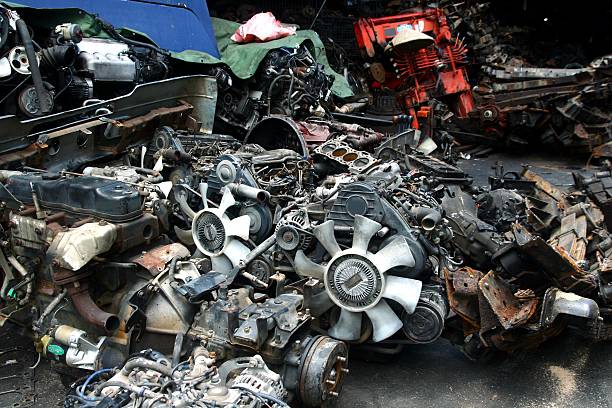
The increasing awareness of environmental sustainability and the rising prices of raw materials have made scrap metal recycling more lucrative than ever. Individuals and businesses are exploring ways to turn their unused metal items into cash. Whether it’s old appliances, construction debris, or obsolete machinery, scrap metal often holds hidden value.


This growing market has sparked interest in how people can find reliable outlets to sell their metal waste. From curbside collection to dedicated scrap yards, the options are diverse but require informed decisions. Understanding the process of selling scrap metal and locating the best local opportunities is essential for maximizing returns.


Locating Reliable Cash for Scrap Metal Near Me


Many modern scrap yards provide transparent pricing and accept a broad spectrum of metals, including copper, aluminum, steel, and brass. These facilities often feature advanced weighing equipment and certified scales to ensure buyers receive fair compensation. Some also provide additional services such as pickup and drop-off, making it convenient for individuals who collect larger volumes.


For those interested, cash for scrap metal near me searches can help uncover prominent local centers with excellent reputations. Due diligence, including customer reviews and verification of licenses, helps identify reputable businesses and avoid potential scams. Additionally, some centers offer bonuses during market surges, so keeping an eye on price trends is wise.


Understanding the Process of Selling Scrap Metal


Selling scrap metal involves several important steps that sellers must follow for efficiency and compliance. First is sorting the metal into categories such as ferrous (containing iron) and non-ferrous metals. Non-ferrous metals like copper and aluminum generally fetch higher prices due to higher demand and recycling value.


After sorting, scrap metal is cleaned to remove non-metal parts or contaminants. This step enhances the value as clean metal is easier to process and sell to manufacturers. Some buyers also require identification from sellers as part of legal regulations designed to combat theft and illegal trading in metals.


Once at the scrap yard, the metal is weighed, and the price is calculated based on the weight and the current market value. Payment methods vary, including cash, check, or electronic transfer. Sellers should be aware of operating hours and peak times when yards offer the best value and service. This process, though straightforward, demands a good understanding of the metal types and market dynamics to maximize earnings.

The Environmental and Economic Impact of Scrap Metal Recycling


scrap metal in Dandenong carries significant environmental benefits. It reduces the need for mining, which often leads to habitat destruction and pollution. By recycling, fewer raw materials are consumed, leading to energy savings and reduced greenhouse gas emissions.


On an economic level, the scrap metal industry supports thousands of jobs worldwide. It empowers communities by providing a steady income source for individuals engaged in collecting and selling metals. Furthermore, it contributes to a circular economy where resources are reused continuously rather than wasted.


The growing demand for sustainable practices by manufacturers is driving the scrap metal market higher. This trend is expected to continue as companies strive to meet environmental targets, signaling promising prospects for those interested in selling scrap metal.


Preparing for the Future: Scrap Metal Trends to Watch


The scrap metal industry is evolving with technological advancements in sorting and processing. Automated systems and AI are becoming more prevalent, leading to higher efficiency and reduced contamination of recycled metals. This shift encourages higher quality recycling and better prices for sellers.


Market fluctuations are influenced by global demand, especially from sectors such as automotive, construction, and electronics. As these industries grow, so will the need for recycled metals, impacting local “cash for scrap metal near me” opportunities. Staying informed about these trends can help sellers time their sales for maximum profit.


Moreover, policies aimed at promoting green practices and regulating waste management are also affecting scrap metal prices and availability. Navigating this complex landscape requires ongoing research and connection with industry experts.


Those looking to part with old vehicles or metal equipment can find helpful tips on how to turn their possessions into cash, as seen in guides related to selling a car.


The Bottom Line on Cash for Scrap Metal Near Me


Finding cash for scrap metal near you is an accessible way to generate income and contribute to environmental conservation. With a well-informed approach, understanding the types of metals, their values, and the legitimacy of buyers, anyone can benefit from this thriving market.


Taking advantage of local scrap yards and recycling centers, keeping a pulse on pricing trends, and properly preparing materials ensures a smooth selling experience. The financial rewards go hand in hand with environmental responsibility, supporting a sustainable future for communities and industries alike.


Ultimately, turning scrap metal into cash is more than a transaction—it’s a smart, eco-friendly choice with economic benefits that ripple far beyond the individual seller. As interest in recycling continues to grow, so do the opportunities for those willing to engage in this valuable market.


Bright Star Scrap Metal

29 Mickle St, Dandenong South VIC 3175, Australia

Phone: +61397064073; 0414006330; 039706 4073  

Mail: info@brightstarscrapmetal.com.au

Map: https://maps.app.goo.gl/jJuG5HAgo4Q4M9He7