Tile roofs are a popular choice for homeowners seeking durability and aesthetic appeal. However, the performance and lifespan of these roofs depend heavily on the underlying components, particularly tile roof battens and fixings. What homeowners should know about tile roof battens and fixings is essential to making informed decisions about installation, maintenance, and repairs.
Choosing the right battens and fixings affects not only the roof’s structural integrity but also its ability to withstand adverse weather conditions. This article provides a strategic overview and decision guide to help homeowners appreciate the critical role these elements play and how to evaluate them effectively.
Key Considerations When Selecting Tile Roof Battens and Fixings
Material Quality and Durability
The quality of battens and fixings directly influences the roof’s longevity and resistance to environmental stresses. Typically, battens are made from timber or metal, each with distinct advantages and vulnerabilities. Timber battens offer flexibility and ease of installation, but they require treatment to prevent rot and insect damage, while metal battens provide enhanced durability but may be prone to corrosion if not properly coated.
Fixings, including nails and screws, must be corrosion-resistant to maintain secure attachment over time. Stainless steel or galvanized fixings are common choices, ensuring they withstand moisture and temperature fluctuations. Homeowners should assess these material characteristics to avoid premature failure and costly repairs.
Compatibility with Tile Roofing Systems
Different tile roofing styles and materials demand specific batten spacing and fixing types. Concrete and clay tiles, for instance, have varying weights and shapes that influence the batten structure. Selecting battens and fixings that align with the tile manufacturer's specifications ensures proper load distribution and attachment security.
Professional tile roof installers in London often follow strict guidelines to match battens and fixings with the roofing system, optimizing performance. Consulting with experts helps homeowners avoid mismatched components that could compromise the roof’s integrity.
Installation Best Practices
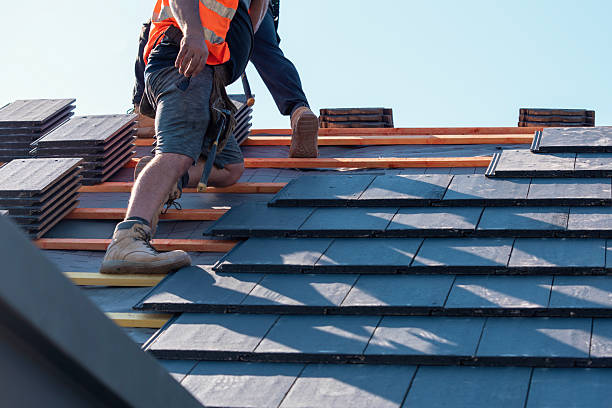
Proper installation of battens and fixings is as critical as material selection. Battens must be securely fixed to the roof rafters at precise intervals to support tile placement and allow adequate ventilation. Fixings need to be driven in correctly to avoid splitting timber battens or loosening over time.
Homeowners should verify that installers adhere to industry standards and local building codes. This attention to detail prevents common issues like tile slippage, water ingress, or wind uplift damage.
How Tile Roof Battens Influence Overall Roof Performance
Structural Support and Load Distribution
Tile roof battens serve as the framework that supports the weight of individual tiles. Their spacing and fastening impact how the load is distributed across the roof structure. Improperly spaced battens can lead to concentrated stress points, causing tiles to crack or dislodge.
Homeowners should recognize that battens are more than simple attachment points; they form an integral part of the roof’s structural system. This understanding guides decisions about repairs and upgrades to enhance roof resilience.
Ventilation and Moisture Management
Batten installation plays a strategic role in allowing airflow beneath the tiles, which is crucial for moisture control. Adequate ventilation prevents condensation buildup, reducing the risk of timber decay and mold growth. This aspect is vital in climates with significant temperature variations or high humidity.
Incorporating proper batten design supports roof moisture protection, extending the roof’s lifespan and maintaining indoor air quality. Homeowners should inquire about ventilation provisions in roofing plans to ensure effective moisture management.
Compatibility with Roofing Safety Regulations
Compliance with roofing safety regulations is mandatory for any roofing project, including the installation of battens and fixings. These regulations dictate standards for structural integrity, fire resistance, and wind uplift performance. Adhering to such rules safeguards homeowners against potential liabilities and ensures roof reliability.
Awareness of roofing safety regulations helps homeowners evaluate contractor proposals critically and insist on certified workmanship. For more detailed guidelines, the government’s official resources provide comprehensive information on roofing safety regulations.
Maintenance and Inspection of Tile Roof Battens and Fixings
Identifying Signs of Wear and Damage
Routine inspection of battens and fixings is essential to detect early signs of deterioration. Common indicators include cracked or missing tiles, loose fixings, and signs of timber decay. Timely identification allows homeowners to address minor issues before they escalate into significant structural problems.
Homeowners should schedule inspections after severe weather events and as part of regular roof maintenance to preserve their investment.
Repair and Replacement Strategies
When damage is detected, selecting appropriate repair methods is critical. Replacing corroded fixings with corrosion-resistant alternatives and renewing damaged battens with treated timber or metal options ensures long-term performance. Repairs must be undertaken by professionals familiar with tile roofing systems to maintain compliance with installation standards.
Engaging tile roof repair in London specialists can provide expert assessment and repair services tailored to the specific roofing system involved.
Preventive Measures for Longevity
Preventive care includes treating battens against pests and moisture, selecting fixings with appropriate corrosion protection, and maintaining roof ventilation. These actions reduce deterioration rates and enhance the roof’s durability. Homeowners who invest in preventive maintenance often experience lower lifetime costs and fewer emergency repairs.
Integrating these measures into routine roof care plans preserves the integrity of tiles and their supporting elements.
Special Considerations for Historic and Complex Roof Structures
Preserving Traditional Roofing Materials and Techniques
Historic homes often feature unique tile designs and batten arrangements that require sensitive handling. Preservation of traditional roofing materials demands compatible fixings and installation methods to maintain aesthetic and structural authenticity. Modern interventions must balance durability with conservation principles.
Specialist contractors with expertise in historic roof conservation can advise homeowners on appropriate batten and fixing choices that respect heritage values.
Challenges in Slate and Stone Tile Roofs
Slate and stone tile roofs present specific challenges due to their weight and fragility. Battens must be robust and properly spaced to support these materials without causing damage. Fixings require precision to avoid fracturing the tiles while ensuring secure attachment.
Homeowners undertaking slate roof restoration in London should consult experts skilled in these materials to ensure proper batten and fixing application. Such expertise helps avoid costly mistakes and preserves the roof’s functionality and appearance.
Integration with Modern Roofing Technologies
Combining traditional roofing components with modern technologies, such as improved underlay systems and advanced ventilation solutions, can enhance roof performance. However, compatibility between old and new elements must be carefully managed to prevent structural conflicts.
Strategic planning enables homeowners to benefit from technological advances while maintaining the integrity of their tile roofs.
What Homeowners Should Know About Tile Roof Battens and Fixings to Make Informed Decisions
Evaluating Installer Expertise and Credentials
Choosing qualified tile roof installers in London is crucial to ensure battens and fixings are installed correctly. Installer expertise reduces risks of premature failure and costly repairs. Homeowners should verify credentials, references, and adherence to manufacturer specifications before engaging contractors.
Expert installers also provide valuable guidance on materials and maintenance, empowering homeowners to protect their roofing investment effectively.
Balancing Cost and Quality Considerations
While initial costs influence decision-making, prioritizing quality materials and installation yields better long-term value. Inferior battens or fixings may reduce upfront expenses but lead to frequent repairs and shortened roof lifespan. Evaluating lifecycle costs helps homeowners make financially prudent choices.
Investing in high-quality components aligned with roofing safety regulations safeguards structural integrity and minimizes future expenditures.
Planning for Future Maintenance and Upgrades
Awareness of maintenance requirements and potential upgrades informs strategic planning for tile roof upkeep. Selecting battens and fixings compatible with anticipated repairs or enhancements simplifies future work. This foresight reduces disruption and cost over the roof’s service life.
Homeowners who integrate maintenance considerations into their roofing decisions achieve sustained performance and peace of mind.
A&A Roofing Solutions
Address: 17 Honey Lane, Waltham Abbey, United Kingdom
Phone No.: +44 800 048 5580
Map Location: https://maps.app.goo.gl/o1Ja2ikKhnfLQY5f8

Ei kommentteja:
Lähetä kommentti