keskiviikko 28. lokakuuta 2026

Fotovoltaické systémy s bateriovým úložištěm vs. bez baterie: Praktické srovnání


fotovoltaika

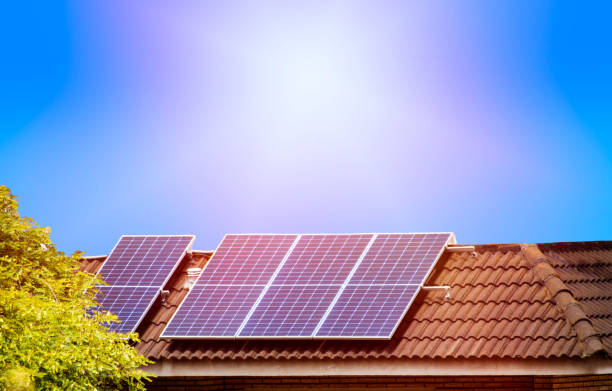
Volba mezi fotovoltaickými systémy s bateriovým úložištěm a systémy bez baterie představuje klíčové rozhodnutí pro každého, kdo plánuje investovat do solární energie. Toto praktické srovnání se zaměřuje na konkrétní aspekty, které ovlivní efektivitu, náklady a celkový přínos jednotlivých řešení. Cílem je poskytnout jasný akční plán, který pomůže zájemcům o solární energii učinit informované rozhodnutí s důrazem na reálné provozní podmínky.

Fotovoltaické systémy s bateriovým úložištěm versus bez baterie se liší nejen v technickém provedení, ale také v dopadu na energetickou soběstačnost a finanční návratnost. Tento článek představí konkrétní kroky, které je třeba zvážit při plánování instalace a provozu těchto systémů. Následně nabídne praktické rady, jak maximalizovat využití dostupné energie v závislosti na zvoleném typu řešení.


Klíčové rozdíly mezi systémy s baterií a bez baterie

Funkčnost a ukládání energie

Fotovoltaické systémy bez baterie přímo využívají vyrobenou elektřinu, kterou okamžitě spotřebovávají domácnosti nebo ji odesílají do elektrické sítě. Naopak systémy s bateriovým úložištěm umožňují akumulaci přebytečné energie, která se využije v době, kdy slunce nesvítí. Tento rozdíl zásadně ovlivňuje nezávislost na dodávkách z veřejné sítě a flexibilitu spotřeby.

U systémů s baterií je třeba zvážit kapacitu úložiště a jeho životnost, což se promítá do celkových investičních nákladů. Výhodou je však možnost využít solární energii i v noci nebo během výpadků elektřiny, což zvyšuje spolehlivost a komfort uživatelů.


Ekonomické aspekty a návratnost investice

Investice do fotovoltaických systémů s bateriovým úložištěm bývá vyšší než u systémů bez baterie, a to zejména kvůli ceně akumulátorů a jejich údržbě. Návratnost této investice závisí na cenách elektřiny, dostupnosti dotací a způsobu využití uložené energie. U systémů bez baterie je primární výhodou nižší počáteční náklad a jednodušší instalace.

Pro správné rozhodnutí je důležité vyhodnotit nejen pořizovací cenu, ale i dlouhodobé provozní náklady a potenciál úspor. Také je vhodné sledovat aktuální trendy a inovace v oblasti fotovoltaiky, které mohou ovlivnit budoucí efektivitu a cenu bateriových úložišť. Přejděte na tento web dostat se do kontaktu s nejvíce ideální maloobchodní fotovoltaické prodejce v Evropě.


Údržba a provozní nároky

Systémy bez baterie vyžadují méně údržby, protože neobsahují složité akumulátory, jejichž životnost je limitovaná a vyžaduje postupnou výměnu. Naopak bateriová úložiště potřebují pravidelnou kontrolu stavu baterií a jejich kapacity, což zvyšuje nároky na servis a provozní náklady.

V praxi je důležité zohlednit dostupnost odborných servisních služeb a kvalitu instalace. Správně navržený a instalovaný systém dokáže minimalizovat poruchovost a prodloužit životnost všech komponent, včetně solárních panelů.


Jak vybrat správný typ fotovoltaického systému pro vaše potřeby

Posouzení spotřeby a energetických návyků

Prvním krokem je detailní analýza vaší denní a roční spotřeby elektřiny. Pokud je spotřeba rozložena rovnoměrně během dne a nelze ji snadno posunout, může být systém bez baterie vhodnější. Naopak domácnosti s vyšší spotřebou večer či v noci ocení výhody bateriového úložiště.

Důležitá je také schopnost flexibilně měnit spotřebu a využívat přebytky energie přímo v době výroby. Tento přístup může výrazně zvýšit efektivitu i u systémů bez baterie.


Faktory ovlivňující volbu bateriového úložiště

U bateriových systémů je klíčové zohlednit kapacitu akumulace, její životnost a rychlost nabíjení. Výběr správného typu baterie (například lithium-iontové versus olověné) ovlivňuje nejen cenu, ale i ekologický dopad a bezpečnost provozu. V praxi je třeba zvážit i možnosti rozšíření kapacity v budoucnu.

Dalším faktorem jsou podmínky instalace, které musí splňovat požadavky na teplotu a ventilaci baterií. Při plánování je proto vhodné konzultovat s odborníky na fotovoltaiku dodavatele, kteří pomohou přizpůsobit systém konkrétním podmínkám.


Praktické aspekty instalace a legislativní rámec

Instalace fotovoltaických systémů s bateriovým úložištěm většinou vyžaduje složitější technické řešení a často také splnění přísnějších bezpečnostních norem. Pro systémy bez baterie je instalace jednodušší a rychlejší, což může být výhodou pro menší investory. Oba typy systémů však podléhají povolením a připojení k distribuční síti.

Je nezbytné zajistit soulad s aktuálními legislativními požadavky, které se mohou lišit regionálně. Pro hladký průběh je vhodné spolupracovat s certifikovanými instalatéry, kteří mají přehled o platných normách a mohou zajistit potřebnou dokumentaci.


Optimalizace provozu a údržby fotovoltaických systémů

Monitorování výkonu a efektivity

Pravidelné sledování výkonu je zásadní pro včasné odhalení případných poruch a optimalizaci výroby energie. Moderní systémy umožňují online monitoring, který poskytuje přehled o aktuálním stavu a historii výroby elektrické energie. Tento nástroj pomáhá zvýšit spolehlivost a dlouhodobou efektivitu. For those exploring practical options, utilizing trusted fotovoltaika specialists provides reliable support.

U systémů s bateriovým úložištěm je navíc důležité sledovat stav nabití a zdraví baterií, aby se předešlo předčasnému opotřebení a nákladným opravám.


Pravidelná údržba a servisní zásahy

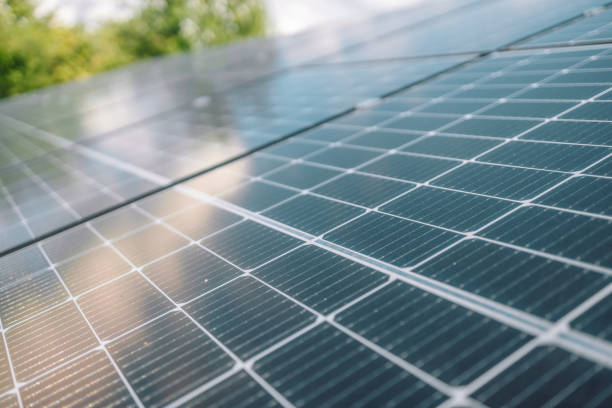
Údržba fotovoltaických panelů zahrnuje především čištění povrchu a kontrolu upevnění, což zajišťuje maximální výkon. Bateriová úložiště vyžadují také kontrolu elektrických spojů a správnou funkci řídicích systémů. Servisní zásahy by měly být plánovány pravidelně, aby se minimalizovalo riziko výpadků.

Včasná diagnostika a profesionální servis prodlužují životnost systému a snižují celkové náklady na provoz.
fotovoltaika

Vliv klimatických podmínek na provoz

Provoz fotovoltaických systémů je ovlivněn místními klimatickými podmínkami, jako jsou teplota, sluneční záření a počasí. Systémy s bateriemi mohou v některých regionech lépe vyrovnávat výkyvy výroby díky akumulaci energie. Bez baterií je provoz více závislý na okamžitém slunečním svitu a dostupnosti sítě.

Vyhodnocení těchto faktorů pomůže navrhnout optimální konfiguraci a zajistit maximální energetickou soběstačnost.


Naplánujte a realizujte svůj solární projekt s jistotou

Fotovoltaické systémy s bateriovým úložištěm vs. bez baterie: Praktické srovnání ukazuje, že správná volba závisí na specifických potřebách, finančních možnostech a životním stylu uživatele. Přesné posouzení spotřeby a technických parametrů je nezbytné pro dosažení maximální efektivity a úspor. Návrh i instalace by měly být svěřeny kvalifikovaným odborníkům, kteří zajistí optimální fungování systému.

Investice do solární energie představuje krok k energetické soběstačnosti a ekologicky šetrnému provozu. Díky přehlednému akčnímu plánu můžete své rozhodnutí realizovat s jasnou vizí a praktickými kroky, které zajistí dlouhodobý přínos. Nezapomeňte využít dostupné informace o technologiích a inovacích v oblasti solárních panelů, které vám pomohou udržet váš systém na špičkové úrovni.


Raylyst Solar s.r.o.

Prague Gate, 7. patro

Türkova 2319/5b, 149 00

Praha, Česká republika

Map: https://maps.app.goo.gl/PeykNPnjESkW6ipf8

maanantai 19. lokakuuta 2026

What Homeowners Should Know About Tile Roof Battens and Fixings


keyword

Tile roofs are a popular choice for homeowners seeking durability and aesthetic appeal. However, the performance and lifespan of these roofs depend heavily on the underlying components, particularly tile roof battens and fixings. What homeowners should know about tile roof battens and fixings is essential to making informed decisions about installation, maintenance, and repairs.

Choosing the right battens and fixings affects not only the roof’s structural integrity but also its ability to withstand adverse weather conditions. This article provides a strategic overview and decision guide to help homeowners appreciate the critical role these elements play and how to evaluate them effectively.


Key Considerations When Selecting Tile Roof Battens and Fixings

Material Quality and Durability

The quality of battens and fixings directly influences the roof’s longevity and resistance to environmental stresses. Typically, battens are made from timber or metal, each with distinct advantages and vulnerabilities. Timber battens offer flexibility and ease of installation, but they require treatment to prevent rot and insect damage, while metal battens provide enhanced durability but may be prone to corrosion if not properly coated.

Fixings, including nails and screws, must be corrosion-resistant to maintain secure attachment over time. Stainless steel or galvanized fixings are common choices, ensuring they withstand moisture and temperature fluctuations. Homeowners should assess these material characteristics to avoid premature failure and costly repairs.

Compatibility with Tile Roofing Systems

Different tile roofing styles and materials demand specific batten spacing and fixing types. Concrete and clay tiles, for instance, have varying weights and shapes that influence the batten structure. Selecting battens and fixings that align with the tile manufacturer's specifications ensures proper load distribution and attachment security.

Professional tile roof installers in London often follow strict guidelines to match battens and fixings with the roofing system, optimizing performance. Consulting with experts helps homeowners avoid mismatched components that could compromise the roof’s integrity.

Installation Best Practices

Proper installation of battens and fixings is as critical as material selection. Battens must be securely fixed to the roof rafters at precise intervals to support tile placement and allow adequate ventilation. Fixings need to be driven in correctly to avoid splitting timber battens or loosening over time.

Homeowners should verify that installers adhere to industry standards and local building codes. This attention to detail prevents common issues like tile slippage, water ingress, or wind uplift damage.


How Tile Roof Battens Influence Overall Roof Performance

Structural Support and Load Distribution

Tile roof battens serve as the framework that supports the weight of individual tiles. Their spacing and fastening impact how the load is distributed across the roof structure. Improperly spaced battens can lead to concentrated stress points, causing tiles to crack or dislodge.

Homeowners should recognize that battens are more than simple attachment points; they form an integral part of the roof’s structural system. This understanding guides decisions about repairs and upgrades to enhance roof resilience.

Ventilation and Moisture Management

Batten installation plays a strategic role in allowing airflow beneath the tiles, which is crucial for moisture control. Adequate ventilation prevents condensation buildup, reducing the risk of timber decay and mold growth. This aspect is vital in climates with significant temperature variations or high humidity.

Incorporating proper batten design supports roof moisture protection, extending the roof’s lifespan and maintaining indoor air quality. Homeowners should inquire about ventilation provisions in roofing plans to ensure effective moisture management.

Compatibility with Roofing Safety Regulations

Compliance with roofing safety regulations is mandatory for any roofing project, including the installation of battens and fixings. These regulations dictate standards for structural integrity, fire resistance, and wind uplift performance. Adhering to such rules safeguards homeowners against potential liabilities and ensures roof reliability.

Awareness of roofing safety regulations helps homeowners evaluate contractor proposals critically and insist on certified workmanship. For more detailed guidelines, the government’s official resources provide comprehensive information on roofing safety regulations.


Maintenance and Inspection of Tile Roof Battens and Fixings

Identifying Signs of Wear and Damage

Routine inspection of battens and fixings is essential to detect early signs of deterioration. Common indicators include cracked or missing tiles, loose fixings, and signs of timber decay. Timely identification allows homeowners to address minor issues before they escalate into significant structural problems.

Homeowners should schedule inspections after severe weather events and as part of regular roof maintenance to preserve their investment.

Repair and Replacement Strategies

When damage is detected, selecting appropriate repair methods is critical. Replacing corroded fixings with corrosion-resistant alternatives and renewing damaged battens with treated timber or metal options ensures long-term performance. Repairs must be undertaken by professionals familiar with tile roofing systems to maintain compliance with installation standards.

Engaging tile roof repair in London specialists can provide expert assessment and repair services tailored to the specific roofing system involved.

keyword

Preventive Measures for Longevity

Preventive care includes treating battens against pests and moisture, selecting fixings with appropriate corrosion protection, and maintaining roof ventilation. These actions reduce deterioration rates and enhance the roof’s durability. Homeowners who invest in preventive maintenance often experience lower lifetime costs and fewer emergency repairs.

Integrating these measures into routine roof care plans preserves the integrity of tiles and their supporting elements.


Special Considerations for Historic and Complex Roof Structures

Preserving Traditional Roofing Materials and Techniques

Historic homes often feature unique tile designs and batten arrangements that require sensitive handling. Preservation of traditional roofing materials demands compatible fixings and installation methods to maintain aesthetic and structural authenticity. Modern interventions must balance durability with conservation principles.

Specialist contractors with expertise in historic roof conservation can advise homeowners on appropriate batten and fixing choices that respect heritage values.

Challenges in Slate and Stone Tile Roofs

Slate and stone tile roofs present specific challenges due to their weight and fragility. Battens must be robust and properly spaced to support these materials without causing damage. Fixings require precision to avoid fracturing the tiles while ensuring secure attachment.

Homeowners undertaking slate roof restoration in London should consult experts skilled in these materials to ensure proper batten and fixing application. Such expertise helps avoid costly mistakes and preserves the roof’s functionality and appearance.

Integration with Modern Roofing Technologies

Combining traditional roofing components with modern technologies, such as improved underlay systems and advanced ventilation solutions, can enhance roof performance. However, compatibility between old and new elements must be carefully managed to prevent structural conflicts.

Strategic planning enables homeowners to benefit from technological advances while maintaining the integrity of their tile roofs.


What Homeowners Should Know About Tile Roof Battens and Fixings to Make Informed Decisions

Evaluating Installer Expertise and Credentials

Choosing qualified tile roof installers in London is crucial to ensure battens and fixings are installed correctly. Installer expertise reduces risks of premature failure and costly repairs. Homeowners should verify credentials, references, and adherence to manufacturer specifications before engaging contractors.

Expert installers also provide valuable guidance on materials and maintenance, empowering homeowners to protect their roofing investment effectively.

Balancing Cost and Quality Considerations

While initial costs influence decision-making, prioritizing quality materials and installation yields better long-term value. Inferior battens or fixings may reduce upfront expenses but lead to frequent repairs and shortened roof lifespan. Evaluating lifecycle costs helps homeowners make financially prudent choices.

Investing in high-quality components aligned with roofing safety regulations safeguards structural integrity and minimizes future expenditures.

Planning for Future Maintenance and Upgrades

Awareness of maintenance requirements and potential upgrades informs strategic planning for tile roof upkeep. Selecting battens and fixings compatible with anticipated repairs or enhancements simplifies future work. This foresight reduces disruption and cost over the roof’s service life.

Homeowners who integrate maintenance considerations into their roofing decisions achieve sustained performance and peace of mind.


A&A Roofing Solutions

Address: 17 Honey Lane, Waltham Abbey, United Kingdom

Phone No.: +44 800 048 5580

Map Location: https://maps.app.goo.gl/o1Ja2ikKhnfLQY5f8